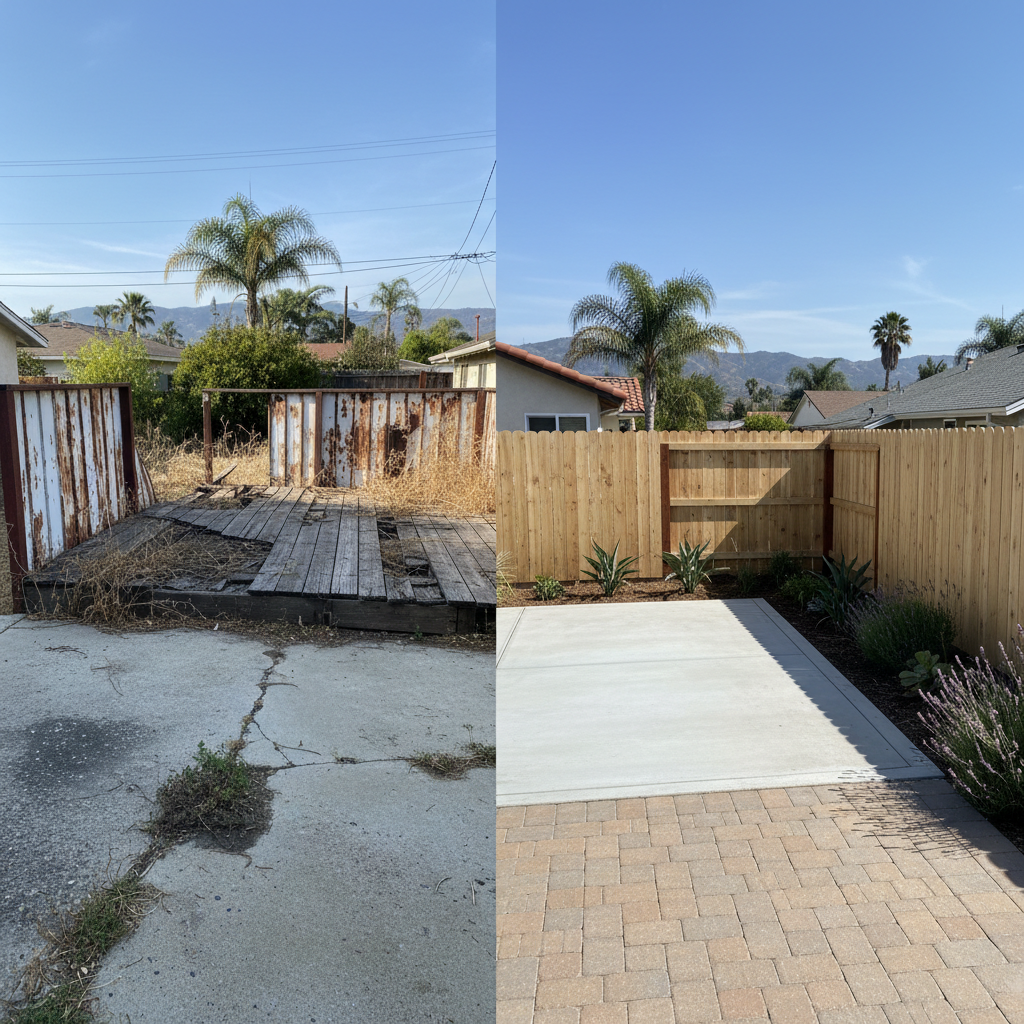
Alright, so you're thinking about adding an ADU to your Long Beach property. That's a really smart move, especially with how housing prices are going around here. But before you get too far down the road dreaming up floor plans and picking out finishes, you've got to figure out what your property can actually handle. This isn't just about how much space you have; it's about what the city says you can build and, just as important, what the ground underneath your feet will support.
When it comes to figuring all that out, you essentially have two main ways to approach the site assessment:
The Quick & Dirty Online Check-Up
This is where most folks start, and honestly, it's a pretty good first step. You're probably looking at the city's zoning maps online, maybe pulling up your property on Google Maps, and using some of those free ADU calculators or other online tools. You're trying to get a feel for setbacks, maximum size, and if your lot even qualifies for an ADU. You might even call the city's planning department with a few questions – I know I would.
Cost: Practically free, just your time. You're doing all the legwork yourself.
Durability & Accuracy: This is where things get a little tricky. Online tools and general zoning maps are just that – general. They don't account for specific site conditions like slopes, existing utility lines, mature trees, or easements that might run through your property. You could easily miss something critical that derails your project later. I've seen people get really excited about a plan based on an online check, only to find out during permitting that a sewer line runs right where they wanted to build, or that a protected tree is in the way. It's a broad stroke, not a detailed picture, you know?
Maintenance: There's no ongoing maintenance here, but the risk of future headaches due to overlooked issues is definitely high.
Appearance: This approach doesn't really touch on appearance directly, but if you miscalculate setbacks or buildable area, you might end up with a less-than-ideal design or placement. No one wants that.
This method is great for a preliminary 'is this even possible?' kind of question. It'll give you a rough idea if your dreams are completely out of whack with reality. But it's just not enough to base a serious project on.
The Professional Site Assessment: The Deep Dive
This is what I recommend for anyone serious about building an ADU. This involves bringing in professionals – usually an experienced ADU contractor like us at Infinity ADU, or an architect/designer who specializes in ADUs. We're talking about a physical visit to your property, not just looking at it on a screen.
What does this deep dive include? Well, we're looking at everything. We'll measure your property, identify existing structures, check for utility connections (water, sewer, gas, electrical), assess topography, look for potential drainage issues, and identify any significant trees or other features. We'll also cross-reference all of this with the latest Long Beach zoning codes, specific overlays, and any historical district requirements if you're in an area like Belmont Heights or Naples. We're really looking for those hidden gotchas that an online tool just won't catch.
Sometimes this might involve bringing in a surveyor or a geotechnical engineer if there are significant slopes or concerns about soil stability – especially in some of the older parts of Long Beach where the ground can be a bit unpredictable, as you can imagine.
Cost: This isn't free. You'll pay for the professional's time and expertise. It might be a few hundred dollars for a basic professional assessment, or more if it requires specialized reports like a survey or soils report.
Durability & Accuracy: This is your gold standard. A professional assessment gives you a highly accurate picture of what's possible, what's challenging, and what's outright impossible. It catches potential problems early, saving you significant time, money, and stress down the line. You'll have a clear understanding of your buildable area, utility capacities, and any specific requirements from the city.
Maintenance: No direct maintenance, but it prevents costly rework or delays during construction due to unforeseen site conditions. It's an investment in a smooth project, plain and simple.
Appearance: With a clear understanding of site constraints, your designer can create an ADU that not only meets regulations but also looks great and functions well on your specific property.
My Recommendation for Long Beach Homeowners
Look, the quick online check-up is fine for a first glance. It's like checking WebMD when you feel a sniffle – it might give you some ideas, but you wouldn't perform surgery based on it. For an ADU, you're essentially performing minor surgery on your property, aren't you?
My strong recommendation is always to go with the professional site assessment. Yes, it costs a little upfront, but it's pennies compared to the thousands you could waste on plans that aren't buildable, or the delays you'll face trying to fix unexpected issues during construction. It gives you peace of mind and a solid foundation for your project. You'll know exactly what you're dealing with before you commit to expensive architectural drawings or contractor bids.
It's the smart way to start your ADU journey here in Long Beach. You want to make sure your investment is sound, and that starts with knowing your ground.