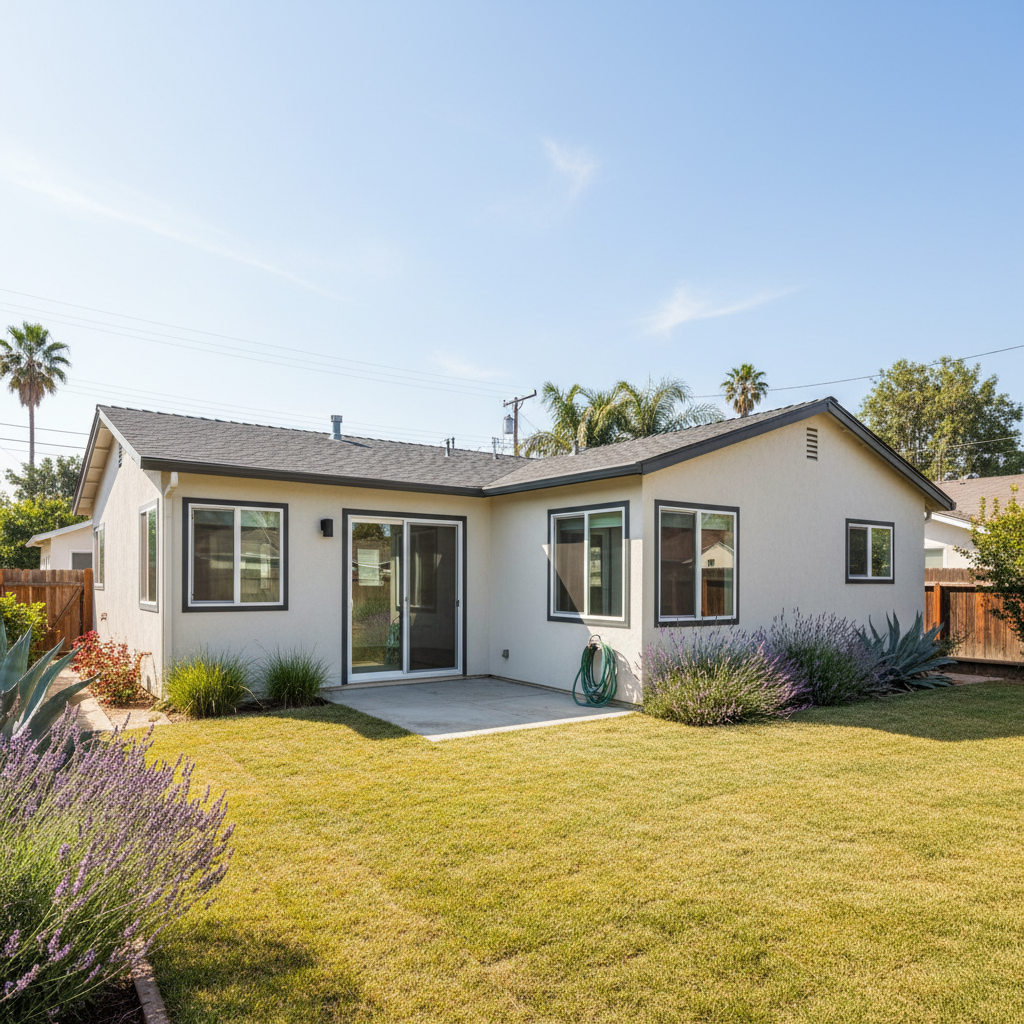
Thinking about adding an attached ADU to your Long Beach property? That's a smart move, for sure. But have you really considered how our local climate affects everything, from when you can build to how you'll keep it up year-round? It's not just about getting the plans approved; it's about building smart for *our* specific weather and making sure that investment stays solid for the long haul.
Timing Your Attached ADU Build in Long Beach
So, when's the absolute best time to actually start digging for an attached ADU here in Long Beach? Honestly, we're pretty lucky with our weather, but there are still some prime windows and times you'll want to watch out for. For most of the heavy construction — things like framing, roofing, and getting the exterior done — you really want dry conditions. That means our spring and fall are often just perfect. Temperatures are mild, and you're much less likely to run into those surprise rain showers that can slow things down or even mess with materials if they get too wet.
Summer can work, obviously, but those hotter days, especially when we get those Santa Ana winds kicking up dust, can make things tough on the crew. They can also sometimes impact certain materials, like how concrete cures or how paint goes on. Winter, while generally mild, brings our rainy season. You can still build, but you'll need more protective measures, like tarps and temporary shelters, which can definitely add to the cost and the timeline. Plus, nobody wants to be working in mud, right? I always tell folks, if you can aim for a spring or fall start, you'll probably have a smoother, faster build.
Weather Conditions and Your Construction
Our Long Beach climate, with its coastal influence, is pretty unique. We don't get extreme cold, but we do get our share of marine layer and humidity, especially in the mornings. This can really affect things like how long it takes for stucco or paint to dry. If it's too humid, those finishes just won't cure properly, and you'll end up with problems down the road. We're always checking the forecast, not just for rain, but for humidity levels and wind, too. Strong winds can be a real headache, particularly when you're putting up walls or roofing materials. Safety is always number one, so sometimes we just have to pause work if the wind is too high.
Another thing to consider is the soil. Around here, especially in some of the older neighborhoods closer to the water, you can run into higher water tables or even some clay-heavy soils. Rain can turn a construction site into a quagmire pretty quickly, making it hard to move equipment or even dig foundations. Good drainage planning from the very beginning is critical for an attached ADU, not just during construction but for the entire life of the building.
Protecting Your Attached ADU Investment Year-Round
Once your attached ADU is built, you've got a fantastic asset. Now, how do you keep it that way, season after season? It's all about proactive maintenance, especially given our coastal environment. Here are a few things I always recommend:
- Check for Water Intrusion: After any significant rain, take a walk around your ADU. Look at the foundation, around windows and doors, and especially where the ADU connects to your main house. See any puddles? Any signs of water staining? Even small leaks can turn into big problems if you ignore them.
- Maintain Exterior Finishes: Our sun can be brutal on paint and stucco. Keep an eye out for cracking, peeling, or fading. A fresh coat of paint or a stucco repair every few years doesn't just look good; it actually protects the underlying structure from moisture.
- Roof Inspections: Our mild winters mean we don't get heavy snow, but wind and sun can still take a toll on roofing materials. Have your roof inspected every couple of years, especially before our rainy season hits. Look for missing shingles, cracked tiles, or any debris buildup in gutters that could cause backups.
- Sealants and Caulking: This is a big one. The caulk around windows, doors, and any penetrations (like vents or pipes) degrades over time because of sun exposure and temperature shifts. Re-caulking every few years is cheap insurance against water damage, trust me.
- HVAC Maintenance: Even though our climate is temperate, your ADU's heating and cooling system still works hard. Regular filter changes and annual servicing will keep it running efficiently and extend its lifespan.
Building an attached ADU is a significant project, and at Infinity ADU, we make sure we're building it right for Long Beach conditions. But once we hand over the keys, a little seasonal attention from you will go a long way in preserving your investment and keeping your ADU comfortable and trouble-free for decades.