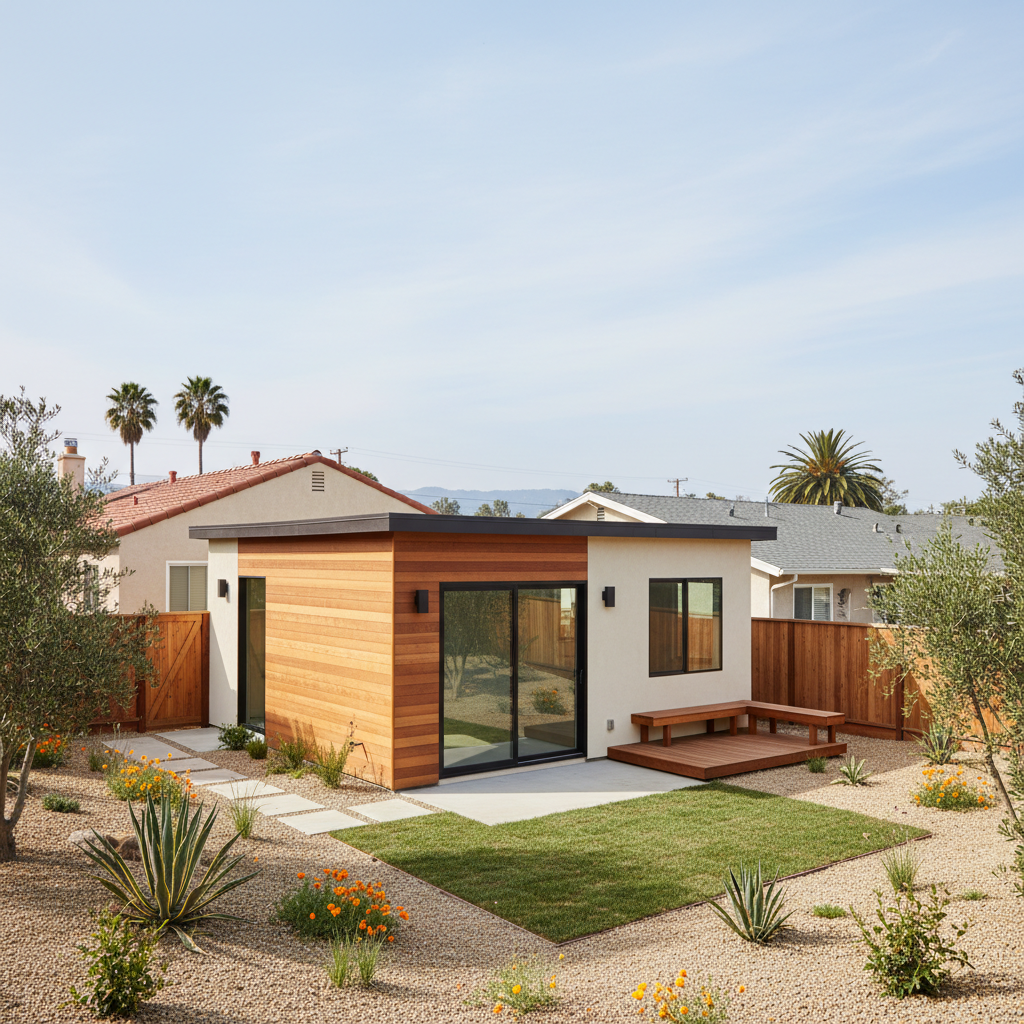
Alright, so you're thinking about adding an ADU to your Long Beach property. That's a smart move, no doubt. But I've seen too many folks stumble right out of the gate, making mistakes that cost them time, money, and a whole lot of headaches down the line. As a contractor who's built a bunch of these things, I want to give you the straight scoop on what to avoid.
Not Getting Clear on Your 'Why'
This might sound basic, but you'd be surprised how often it happens. Before you even look at a single design, you've got to nail down why you want an ADU. Is it for rental income? A place for aging parents? Maybe a home office? That 'why' dictates everything – the size, the layout, any accessibility features, even the finishes. If you're vague, you'll end up with a design that doesn't quite fit your needs. Then you're stuck trying to make it work or, worse, paying to change it later. Be specific. What's its primary purpose? What budget are you comfortable with?
Picking the Wrong Designer or Contractor
This is probably the biggest red flag I see. Homeowners often just go with the cheapest bid or the first person they talk to. Bad idea, really bad. You need someone who understands Long Beach's specific zoning codes and the design review process. Someone who's done ADUs here before. I've seen designs cross my desk that look great on paper but would never get approved by the city because they don't account for things like lot coverage rules or setback requirements, especially in those tight Belmont Shore lots. Ask for references, look at their past work, and make sure they specialize in ADUs. A general contractor who's only built kitchens might not be the best fit for a complex ADU project.
Ignoring Site-Specific Challenges
Every property is unique, right? You can't just plop a standard ADU design onto any backyard. What about your existing sewer lines? Electrical panel capacity? Drainage? The soil type in Long Beach can vary a lot, from sandy near the coast to more clay-like inland. All these things impact your foundation, utility hookups, and overall cost. A good designer or contractor will do a thorough site assessment early on, not just assume everything's fine. Skipping this step is like trying to build a house without knowing what the ground underneath is like. You're asking for trouble, plain and simple.
Underestimating the Budget (and Not Having a Contingency)
ADUs aren't cheap, and costs can add up fast. Many homeowners focus only on the construction cost and forget about design fees, permitting fees, utility hookup charges, landscaping, and even things like impact fees the city might levy. Then there's the contingency fund. I always tell clients to budget an extra 10-15% for unforeseen issues. You might hit an unexpected utility line, or the city might require an upgrade to your main electrical panel. It happens. If you don't have that buffer, you're either stopping the project or scrambling to find more money.
Not Thinking About Future Use or Resale
Even if you're building for your parents now, think five, ten, fifteen years down the road. Will it still serve your needs? What if you decide to sell your property? An ADU that's well-designed and versatile adds significant value. One that's quirky or poorly laid out might not. Consider universal design principles – wider doorways, no-step entries – even if you don't need them today. These things make an ADU more adaptable and appealing to a wider range of future occupants or buyers.
Trying to DIY Too Much
Look, I get it. You want to save money. But an ADU is a significant construction project. Unless you're a licensed contractor yourself, trying to manage all the trades, pull permits, and ensure everything meets code is a recipe for disaster. You'll likely make mistakes that cost more to fix than you would have saved, and you'll probably extend the timeline dramatically. Trust the pros. That's what we're here for. We know the ins and outs, the city inspectors, and how to keep a project moving smoothly.
At Infinity ADU, we've seen it all, and our goal is to help you avoid these pitfalls. Do your homework, ask tough questions, and don't rush the process. A well-planned ADU is a fantastic investment; a poorly planned one is just a headache.