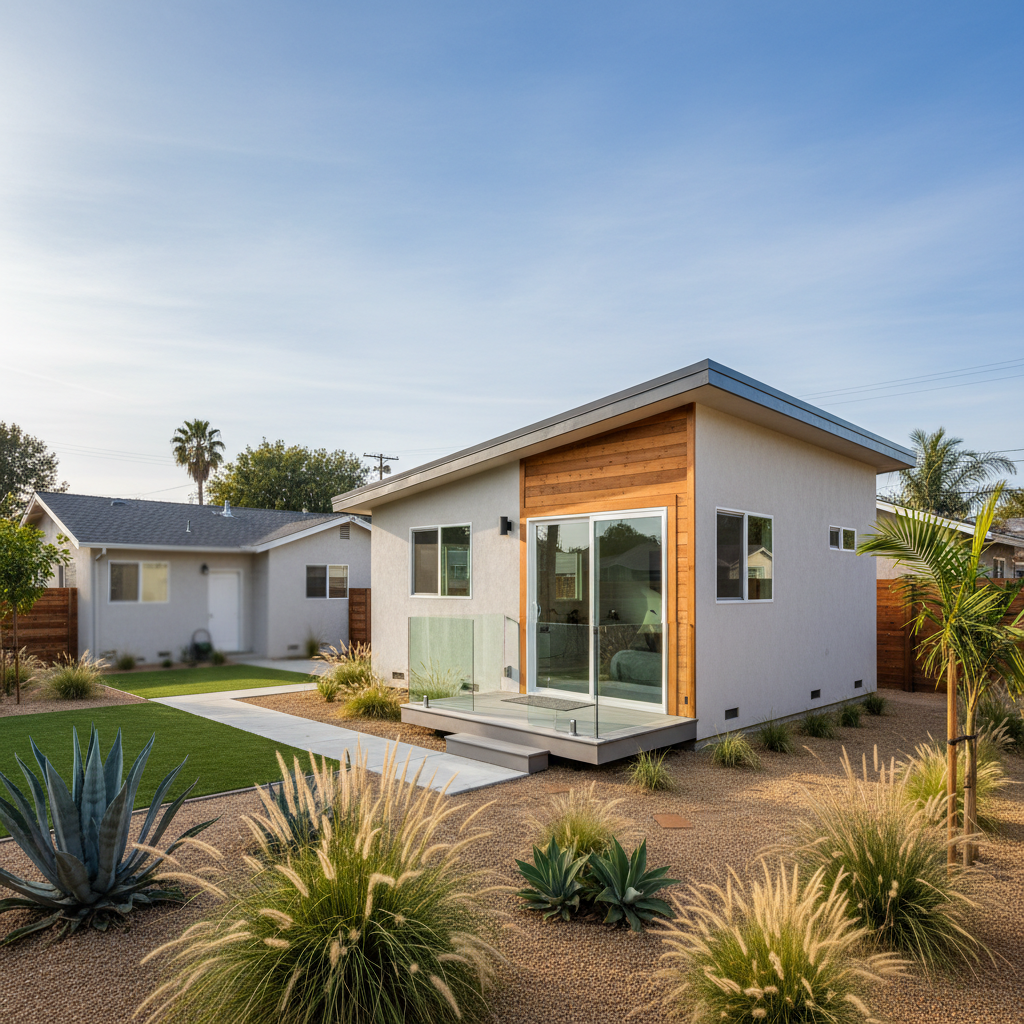
When's the Best Time to Build Your JADU in Long Beach?
So, you're probably wondering when's the best time to get that Junior ADU project going. Honestly, there's no single "perfect" season for it, but each one has its ups and downs, especially here in Long Beach. What I've seen over the years is that most folks aim for spring or fall, and for good reason, too.
Spring is great because the weather's usually mild. We don't get those super hot days yet, and any rain, while it can happen, usually isn't the heavy, persistent kind that slows everything down. This means our crews can work pretty consistently without battling extreme conditions. Plus, getting started in spring means you could have your JADU ready for summer. That's often when people want to start using that extra space, whether it's for family or to bring in some rental income.
Fall is another solid choice. The summer heat has usually broken by then, and we're not typically into the rainy season yet. The ground is often dry, which makes foundation work pretty straightforward. Winter, though, can be a bit trickier. While Long Beach winters are mild compared to, say, the Midwest, we do get our share of rain. Heavy downpours can delay exterior work, especially roofing and stucco, because you just can't work effectively or safely in soaking conditions. That's not to say we don't build in winter – we absolutely do – but you just need to be ready for possible weather-related pauses.
Summer here can get hot, especially if you're a bit inland from the immediate coast. Long Beach's microclimates mean a property in Belmont Shore might have a cool ocean breeze, while one in Bixby Knolls could be sweltering. Extreme heat affects workers, and it can also impact materials like concrete curing or paint drying. We plan for it, of course, but it's something to keep in mind. Ultimately, if you're thinking about a JADU, the best time to start planning is always now. Permitting and design take time, no matter the season.
How Long Beach Weather Affects Your JADU Build
Our local climate, while generally pleasant, definitely has its quirks that impact construction. I've already touched on rain and heat, but let's dig a little deeper. We don't get much frost, which is a huge plus for foundations and concrete work compared to colder regions. That means fewer worries about freeze-thaw cycles damaging fresh pours.
However, the coastal influence means we sometimes get heavy morning dew or marine layers. These can delay exterior painting or stucco application until things dry out. It's not a huge deal, really, but it's part of the rhythm of building here. Wind can also be a factor, especially when we're framing or installing roofing materials. A strong Santa Ana wind can make certain tasks unsafe or impossible for a day or two. We always put safety first, so if the wind's whipping, we'll adjust the schedule.
The soil conditions around Long Beach are another thing we always pay close attention to. Depending on where you are, you might have sandy loam, clay, or even some areas with higher water tables. This directly affects foundation design and how we prep the site. It's why a thorough site assessment is non-negotiable for any JADU project; you can't just assume one size fits all.
Protecting Your JADU Investment Year-Round
Once your Junior ADU is built, you'll want to keep it looking good and performing well for years to come. A little proactive maintenance goes a long way. Here's what I tell my clients:
- Check for Leaks: After any significant rain, do a quick visual check around windows, doors, and the roofline. Look for any signs of water intrusion or dampness. Catching a small leak early can prevent major damage down the line.
- Clean Gutters: Even though we don't get a ton of leaves here like in other parts of the country, dust, small debris, and even palm fronds can clog gutters. Clogged gutters mean water overflowing and potentially damaging your JADU's siding or foundation. Clean them out once or twice a year, especially before our rainy season usually kicks in around late fall.
- Inspect Exterior Finishes: Take a walk around your JADU a couple of times a year. Look at the paint, stucco, or siding. Are there any cracks, peeling, or signs of wear? Our sun can be intense, and it really takes a toll on finishes over time. Addressing small issues quickly will extend the life of your exterior.
- HVAC Maintenance: If your JADU has its own HVAC system, make sure you're changing filters regularly – every 1-3 months, depending on how much you use it. And get it professionally serviced once a year. This keeps it running efficiently and helps prevent costly breakdowns, especially during those hot Long Beach summers.
- Landscaping & Drainage: Make sure any landscaping around your JADU isn't directing water towards the foundation. The ground should gently slope away from the structure. Trim back any plants or trees that are touching the JADU, as they can cause moisture issues or damage to the exterior.
Taking these steps will help ensure your JADU remains a valuable and comfortable space. At Infinity ADU, we build these units to last, but good homeowner care is the final piece of the puzzle. It's your investment, after all, and a little attention helps protect it from the elements and keep it in prime condition.