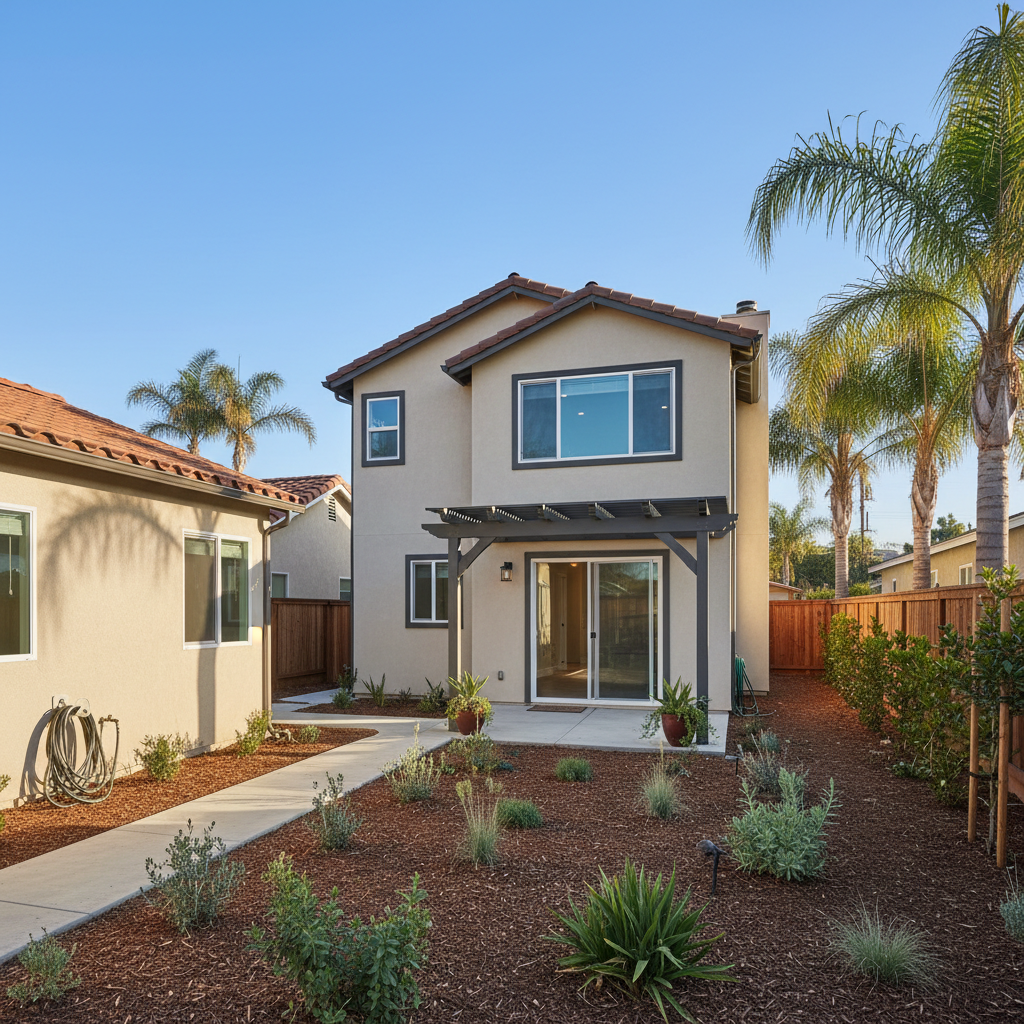
So, you're thinking about adding an ADU to your Long Beach backyard? That's a fantastic idea! It really is a smart move, whether you need extra space, some rental income, or a place for family. But let's be honest, it's a big undertaking, and you want it done right—no unnecessary headaches or delays. I've seen plenty of ADU builds around here, from the classic Craftsman homes in Bluff Heights to those gorgeous Spanish-style places in California Heights, and I can tell you, good planning makes all the difference.
What to Expect: Your ADU Project Timeline
Alright, let's get down to business: how long will this whole thing actually take? Forget those super optimistic estimates you might hear; a quality ADU build, from the first design sketch to getting your certificate of occupancy, usually clocks in at about 13 to 16 months. The actual construction part is roughly 140 working days, but believe me, a lot happens before and after the hammers start swinging.
The Stages You'll Go Through:
- Figuring Out What's Possible & Initial Design (1-3 months): This is where you really nail down what can even fit on your lot. We're talking about site inspections, getting the architectural design just right, structural engineering, and making sure everything meets those Title 24 energy requirements. This is also when you'll decide on the ADU type—will it be detached, attached, or maybe a garage conversion?
- Getting Permits & Approvals (3-6 months): This phase often catches people off guard. State law says Long Beach has to process a complete ADU permit application within 60 days, but that clock only begins once the city officially calls it 'complete.' And trust me, getting it to that 'complete' stage can involve some back-and-forth. If your property happens to be in a Historic District, you'll also need a Certificate of Appropriateness. And if you're in the Coastal Zone (south of 7th Street, for instance), expect to get a Coastal Development Permit, which could add a couple more months. Long Beach is pretty efficient, though, and they even have some pre-approved plans that can speed things up if they fit what you're looking for.
- Construction (4-6 months): Now this is the fun part! It starts with site prep, then the foundation, framing, getting all the electrical, plumbing, and HVAC systems roughed in, exterior finishes, insulation, drywall, and finally, all those interior touches. An attached ADU might wrap up a bit faster, sometimes taking 6 to 10 months from design all the way to completion.
What to Expect During the Build
Building an ADU isn't like ordering a pizza; it's a dynamic process. You'll be working closely with your contractor, designers, and the city's building department. There will be inspections at different points—for building, electrical, mechanical, and plumbing. Good communication is absolutely essential. Expect regular updates, and please, don't hesitate to ask questions if something isn't clear.
You'll also have a lot of decisions to make, everything from flooring and cabinet choices to paint colors. Having a clear vision and making these decisions quickly can really help keep the project on schedule. Unexpected issues can pop up too, like finding an old, undocumented utility line. A good contractor will help you through these, but it's just part of the journey.
Getting Your Property and Yourself Ready
Preparation is your best friend here. Seriously, the more you do upfront, the smoother everything will go.
- Clear the Space: If you're putting in a detached ADU, think about what's currently there. An old shed, overgrown landscaping, even a favorite tree might have to go.
- Access: Construction needs access. Make sure there's a clear path for equipment and materials. This might mean temporarily moving fences or clearing a driveway.
- Utilities: Understand your current utility setup. Will your new ADU need new sewer, water, or electrical connections? Sometimes, your main electrical panel might need an upgrade to handle the extra load. These can be significant costs and affect the timeline.
- Temporary Living: If you're converting a garage or doing an attached ADU that impacts your main home, plan for any temporary disruptions. Will you need to move a car, or find an alternative entrance?
- Budget Buffer: Always, always, always have a contingency fund. I tell my clients 10-15% of the total project cost. It's rare for a construction project to go exactly to plan, and a buffer saves you stress when those inevitable surprises pop up.
Questions to Ask Before Signing on the Dotted Line
Before you commit to a contractor, you need to feel confident they're the right fit for your Long Beach ADU. Don't be shy; ask these tough questions:
- "How many ADUs have you built specifically in Long Beach?" Local experience really counts. Long Beach has its own quirks, like specific historic districts or coastal zone rules, and a contractor who knows the ropes here will save you headaches.
- "Can you walk me through your typical project process, from design to completion?" You'll want to understand their workflow, how they communicate, and how they handle milestones.
- "What licenses do you hold, and are you fully bonded and insured? Can I see proof?" This isn't just about trust; it's about protecting yourself. Verify their credentials.
- "Can you provide references from recent ADU clients, and can I see photos or visit past projects?" Talk to people who've worked with them. Ask about their satisfaction, how they stuck to deadlines, and how issues were resolved.
- "How do you handle change orders and unexpected costs?" Changes happen. You need to know their pricing structure for adjustments and how they communicate those.
- "What's your payment schedule?" Understand upfront costs, progress payments, and final payment terms.
- "Which subcontractors do you typically use, and how do you ensure their quality?" A good general contractor relies on skilled tradespeople. You want to know they're working with reliable partners.
- "What kind of warranty do you offer on your work?" Good contractors stand behind their builds.
Building an ADU is a big investment in your property and your future. By doing your homework, understanding the process, and asking the right questions, you'll be well on your way to a successful project with Infinity ADU.